A rare occultation of a star by the Kuiper Belt Object known as Eris was recorded in several stations in Chile and at first glance the data suggest Eris is in fact smaller than Pluto--the albedo of Eris must be higher than predicted.
Sky & Telescope has a good write-up.
Here's a report from one of the observers.
And here's Mike Brown's take on the observation (An observation of the observation).
Monday, November 08, 2010

Thursday, November 04, 2010
Comet Hartley 2 close-up by EPOXI
Oh man, this is great. The radar images from last week indicated the comet was dog-boned shaped but the close-ups from the former Deep Impact/now EPOXI mission are great and confirmed the nature of this heterogeneous object. In other words, this looks just like some of the asteroids out there.

Credit: NASA / JPL / UMD / Emily Lakdawalla
Click to enlarge

Credit: NASA / JPL / UMD / Emily Lakdawalla
Click to enlarge
Wednesday, October 20, 2010
The star next to the moon tonight
The bright "star" next to the nearly Full Moon tonight was Jupiter, in case you were wondering.
Saturday, October 16, 2010
stupid UFO sightings
Hi. I've spent much of my life outside at night looking up. I've seen some amazing things. I've never seen a UFO. I've seen things that would have easily been confused as an unknown object, until I figured or observed what exactly it was. Things like inbound aircraft to O'Hare, geese lit up by stupid uplights in Chicago, spectacular bolide fireballs, reflections off of Iridium satellites, etc. The general public doesn't really look up very often, and hence doesn't really know what they are seeing. So Venus, or Jupiter, or a series of balloons become a UFO, which despite the name become a ... UFO.
http://blogs.discovermagazine.com/badastronomy/2010/10/15/nyc-fox-station-reports-jupiter-and-balloons-as-ufos/?utm_source=feedburner&utm_medium=feed&utm_campaign=Feed%3A+BadAstronomyBlog+%28Bad+Astronomy%29&utm_content=Google+Reader
http://blogs.discovermagazine.com/badastronomy/2010/10/15/nyc-fox-station-reports-jupiter-and-balloons-as-ufos/?utm_source=feedburner&utm_medium=feed&utm_campaign=Feed%3A+BadAstronomyBlog+%28Bad+Astronomy%29&utm_content=Google+Reader
Friday, October 01, 2010
small earthquake swarm just north of Death Valley and Scotty's Castle
This in an interesting swarm of earthquakes just to the north of Scotty's Castle in Death Valley.
http://earthquake.usgs.gov/earthquakes/recenteqscanv/FaultMaps/117-37.html
http://earthquake.usgs.gov/earthquakes/recenteqscanv/FaultMaps/117-37.html
Thursday, September 30, 2010
The Magic numbers
"The magic numbers, as we know them now are :
2, 8, 20, 28, 50, 82, 126
and most importantly, they are the same for neutrons and protons."
Maria Goeppert-Mayer, The Nobel Lecture
The last female Nobel Laureate in Physics, 1963.
2, 8, 20, 28, 50, 82, 126
and most importantly, they are the same for neutrons and protons."
Maria Goeppert-Mayer, The Nobel Lecture
The last female Nobel Laureate in Physics, 1963.
Monday, September 20, 2010
fluorescent light runs at 25kHz
The newish fluorescent light (well, added in 1999 to make up for a lost skylight) fixture in the RAS office must have an electronic ballast that runs at 25kHz, as that is a strong signal that pops up on the oscilloscope & antenna when that light circuit is running. The older fluorescent lights are probably ancient magnetic ballasts.
...I'm sure y'all care.
...I'm sure y'all care.
Wednesday, September 15, 2010
Pits on the Moon
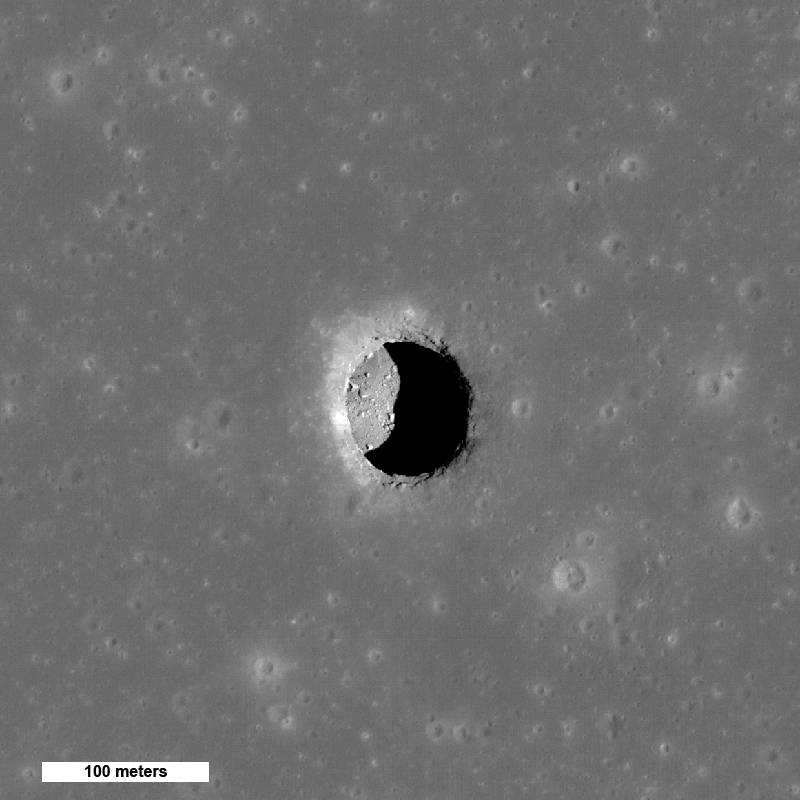
Phil Plait points out pits on the Moon!
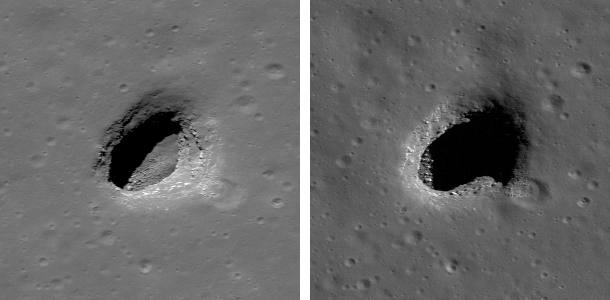
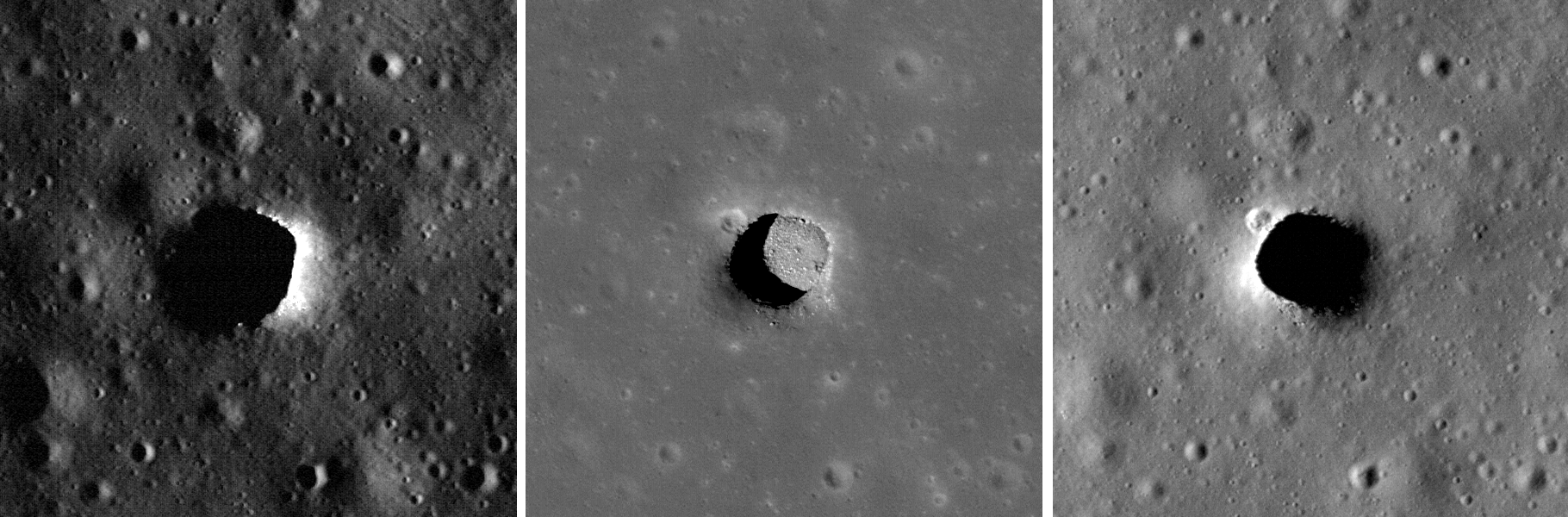
Click to enlarge. Images via NASA/GSFC/Arizona State University/LROC
Thursday, September 09, 2010
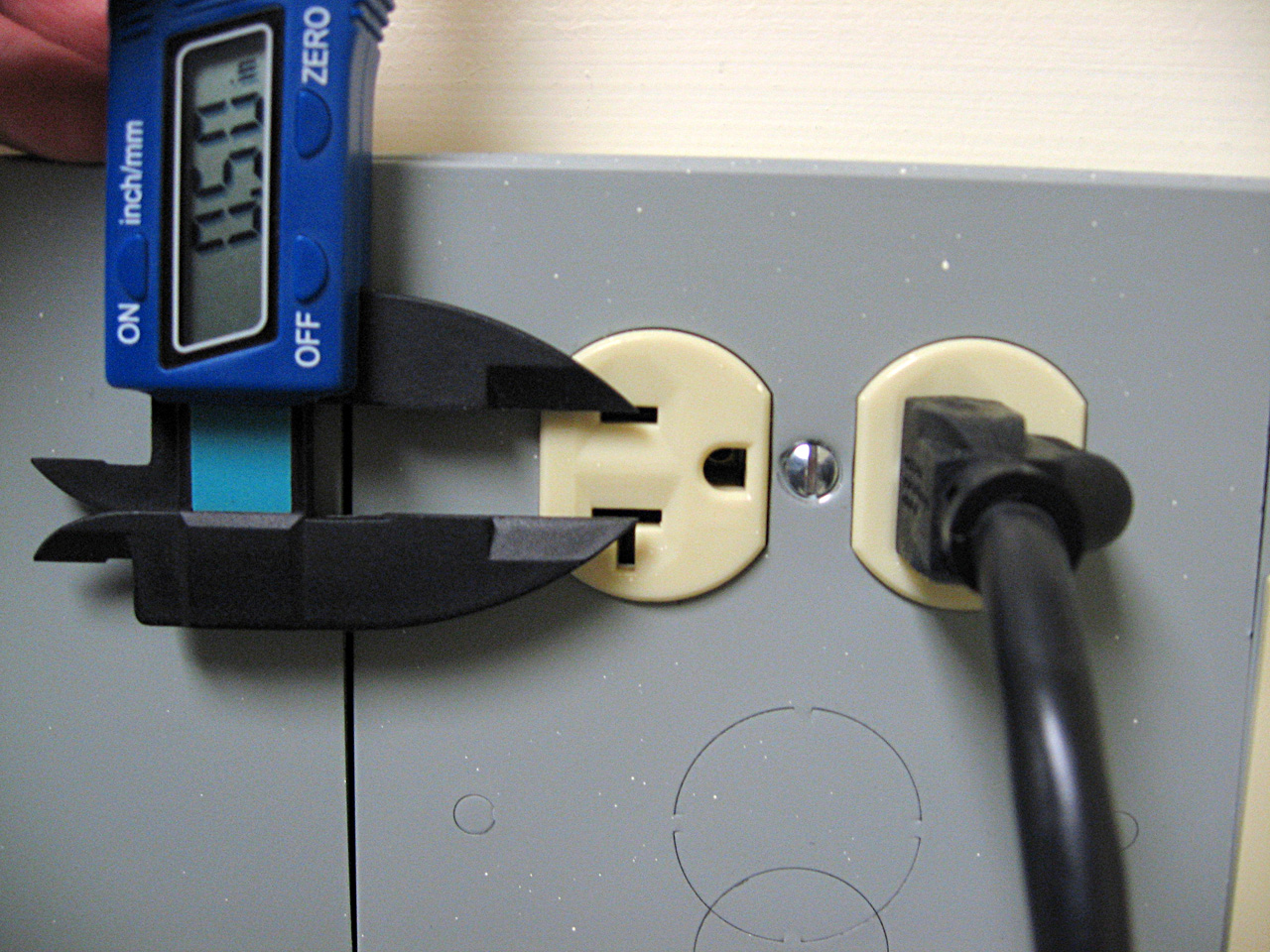
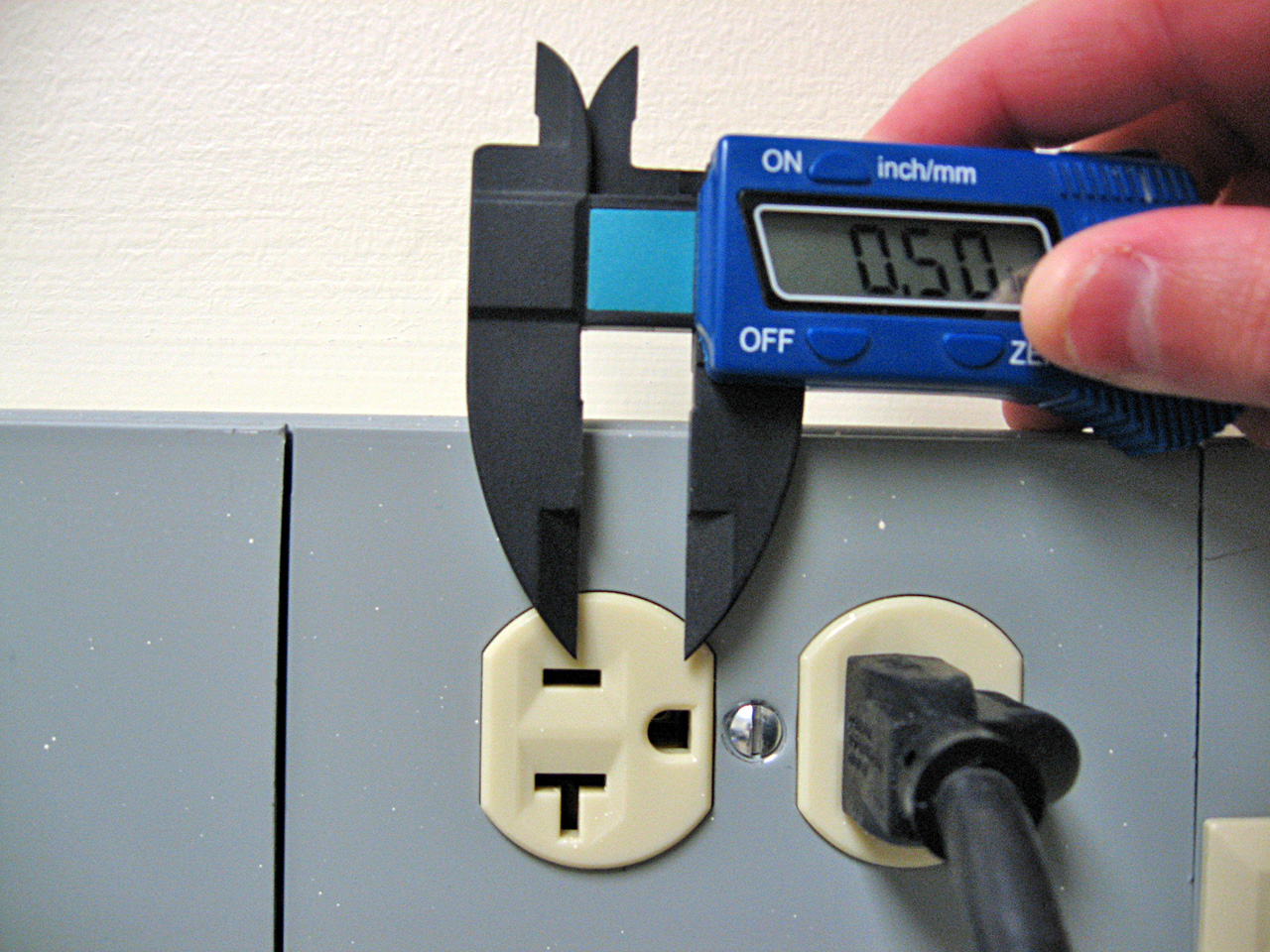
Notable: the size of the standard AC outlet
Did you know the distance between the center of the slots in the 120V standard AC outlet is exactly 1/2 inch? And so is the distance between the center of those and the center of the ground pin. 0.5". All of this only came out after I bought an inexpensive digital caliper and started measuring everything I could get my hands on.


Tuesday, September 07, 2010
Today's sunny and windy weather
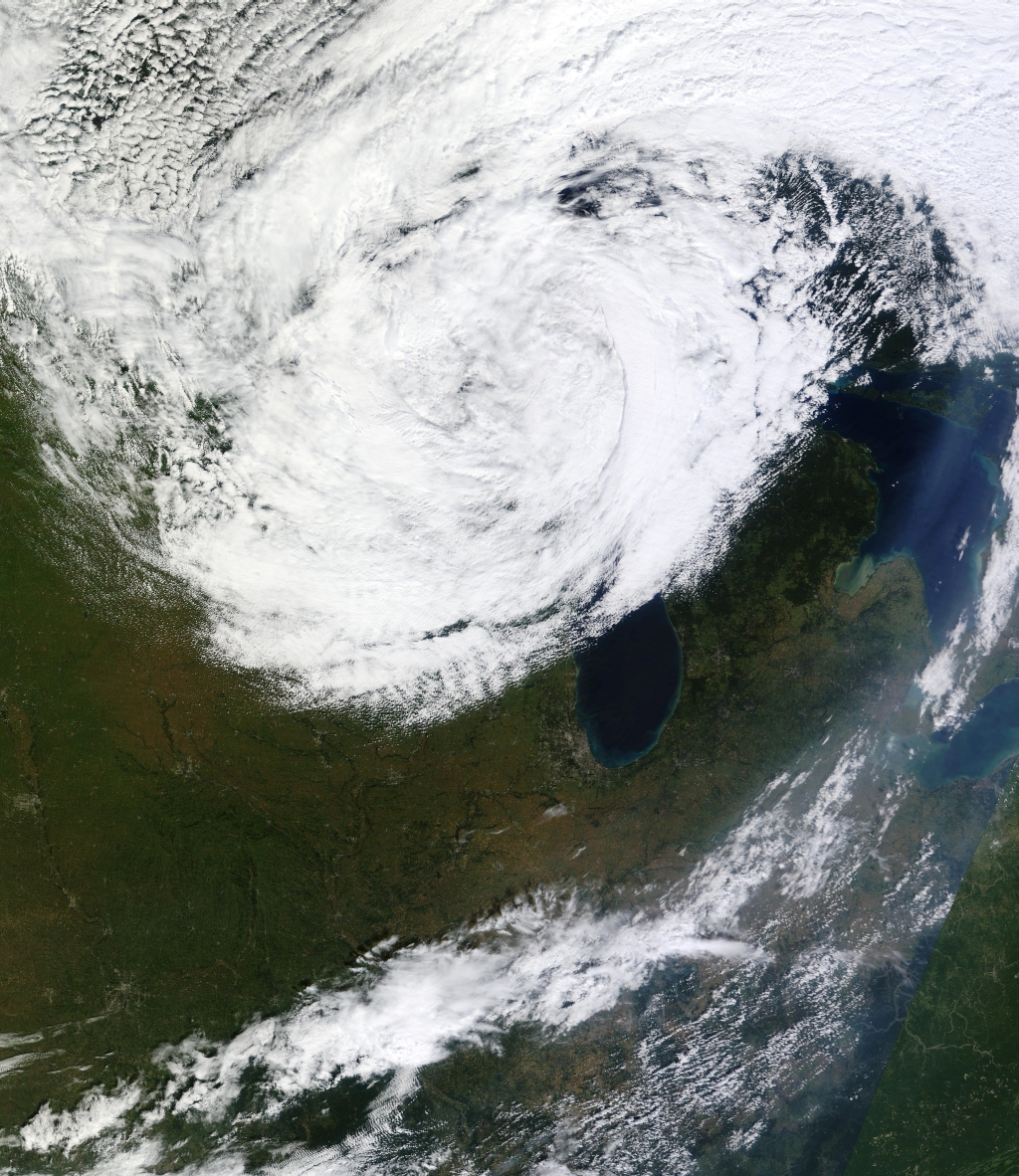
Click to enlarge to medium size. The link below goes to the really big image.
Today's weather in Chicago as seen from above via the MODIS imager on the Terra satellite. It was sunny and very windy with winds out of the southwest. It looks like you can see some dust streamers coming out off the lakeshore. Click on the link below for the huge 5200x6000 image with 250m resolution.
http://ge.ssec.wisc.edu/modis-today/index.php?satellite=t1&product=true_color&date=2010_09_07_250&overlay_sector=false&overlay_state=false&overlay_coastline=true§or=USA3&resolution=250m
Credits: http://ge.ssec.wisc.edu/modis-today/credits.html
Thursday, September 02, 2010
"The SDSS and e-science archiving at the University of Chicago Library"
The SDSS and e-science archiving at the University of Chicago Library
Barbara Kern, University of Chicago
Dean Armstrong, University of Chicago
Charles Blair, University of Chicago
David Farley, University of Chicago
Kathleen Feeney, University of Chicago
Eileen Ielmini, University of Chicago
Elisabeth Long, University of Chicago
Daniel Meyer, University of Chicago
Peggy Wilkins, University of Chicago
The Sloan Digital Sky Survey (SDSS) is a co-operative scientific project involving over 25 institutions worldwide and managed by the Astrophysical Research Consortium (ARC) to map one- quarter of the entire sky in detail, determining the positions and absolute brightness of hundreds of millions of celestial objects. The project was completed in October 2008 and produced over 100 terabytes of data comprised of object catalogs, images, and spectra. While the project remained active, SDSS data was housed at Fermilab. As the project neared completion the SDSS project director (and University of Chicago faculty member) Richard Kron considered options for long term storage and preservation of the data turning to the University of Chicago Library for assistance. In 2007-2008 the University of Chicago Library undertook a pilot project to investigate the feasibility of long term storage and archiving of the project data and providing ongoing access by scientists and educators to the data through the SkyServer user interface. In late 2008 the University of Chicago Library entered into a formal agreement with ARC agreeing to assume responsibility for:
• Archiving of the survey data (long-term scientific data archiving)
• Serving up survey data to the public
• Managing the HelpDesk
• Preserving the SDSS Administrative Record
This paper outlines the various aspects of the project as well as implementation.
Barbara Kern, University of Chicago
Dean Armstrong, University of Chicago
Charles Blair, University of Chicago
David Farley, University of Chicago
Kathleen Feeney, University of Chicago
Eileen Ielmini, University of Chicago
Elisabeth Long, University of Chicago
Daniel Meyer, University of Chicago
Peggy Wilkins, University of Chicago
The Sloan Digital Sky Survey (SDSS) is a co-operative scientific project involving over 25 institutions worldwide and managed by the Astrophysical Research Consortium (ARC) to map one- quarter of the entire sky in detail, determining the positions and absolute brightness of hundreds of millions of celestial objects. The project was completed in October 2008 and produced over 100 terabytes of data comprised of object catalogs, images, and spectra. While the project remained active, SDSS data was housed at Fermilab. As the project neared completion the SDSS project director (and University of Chicago faculty member) Richard Kron considered options for long term storage and preservation of the data turning to the University of Chicago Library for assistance. In 2007-2008 the University of Chicago Library undertook a pilot project to investigate the feasibility of long term storage and archiving of the project data and providing ongoing access by scientists and educators to the data through the SkyServer user interface. In late 2008 the University of Chicago Library entered into a formal agreement with ARC agreeing to assume responsibility for:
• Archiving of the survey data (long-term scientific data archiving)
• Serving up survey data to the public
• Managing the HelpDesk
• Preserving the SDSS Administrative Record
This paper outlines the various aspects of the project as well as implementation.
Thursday, August 26, 2010
Tuesday, August 24, 2010
2009 US Energy use
https://publicaffairs.llnl.gov/news/news_releases/2010/images/energy-flow-annotated.pdf
The latest energy generation/use chart for the US is out. Sinks and source, plus general field of use--it's a fascinating chart, and I hope it gives you a sense of where real solutions to the energy issue lie. Let's work on the efficiency issue.
Via Treehugger
The latest energy generation/use chart for the US is out. Sinks and source, plus general field of use--it's a fascinating chart, and I hope it gives you a sense of where real solutions to the energy issue lie. Let's work on the efficiency issue.
Via Treehugger
Sunday, August 22, 2010
Another impact on Jupiter
http://www.skyandtelescope.com/observing/home/101264994.html
My first thought once it was confirmed was "What is the real rate of visible Jovian impacts versus our sampling rate of looking for them?".
My first thought once it was confirmed was "What is the real rate of visible Jovian impacts versus our sampling rate of looking for them?".
Wednesday, August 04, 2010
Haze and smoke from western Canada
Haze and smoke visible in on the visible satellite image for this afternoon might give the less humid weather the next few days in Chicago a tinge of non-clarity.
http://www.osdpd.noaa.gov/ml/land/hms.html
http://www.osdpd.noaa.gov/ml/land/hms.html
Subscribe to:
Posts (Atom)